
Snapchat is a strong traffic source where millions of users are active every day. Cloaking for Snapchat ads is a topic that media buyers and advertisers often search for when their campaigns face repeated ad rejections or even account bans. Because Snapchat has a very strict automatic review system, many advertisers experience ads disapproval or account warnings when promoting certain offers. To deal with these problems, some advertisers use ads cloaking tools to manage their campaigns.
Understanding how cloaking for Snapchat ads works can help advertisers better understand why campaigns get rejected and how traffic filtering systems operate in digital advertising.
What Is Snapchat Ads Cloaking?
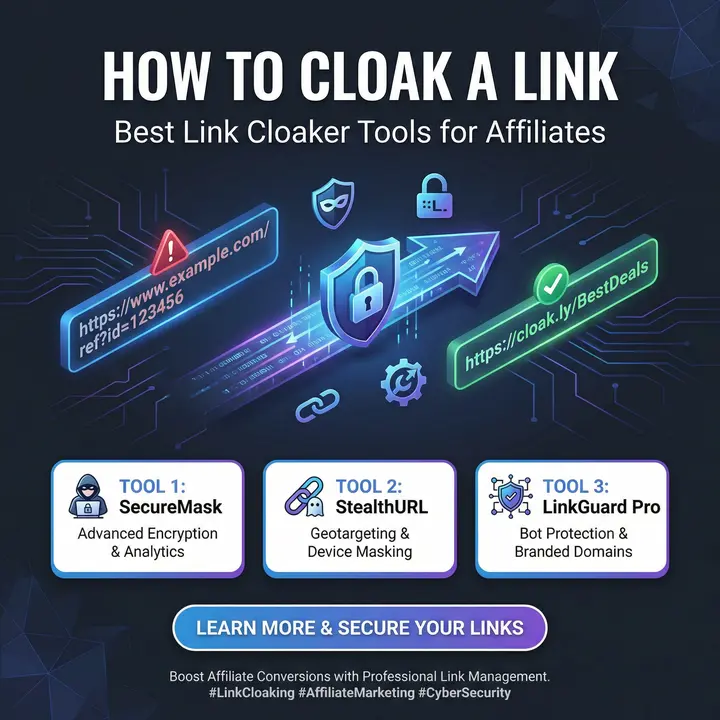
Snapchat ads cloaking refers to a method used to filter visitors so that different users may see different landing pages. In simple terms, snapchat cloaking helps advertisers manage traffic during the ad review process. Media buyers often discuss this approach when they promote offers that may not easily pass the platform’s review system.
How Snapchat Ads Cloaking Works
Before any advertisement becomes active, Snapchat checks both the ad creative and the landing page. The platform uses automated systems and manual reviewers to confirm that the ad follows snapchat advertising policies.
If the landing page contains restricted content or misleading claims, the system may trigger ads disapproval and stop the campaign.
Snapchat ads cloaking works by filtering incoming visitors and deciding which page they should see. The system tries to identify whether a visitor is part of the ad review process or a normal user.
1. Submit the ad with a safe page – The advertiser submits the campaign with a landing page that follows Snapchat guidelines.
2. Detect incoming traffic – When someone clicks the ad, the system checks signals such as IP address, browser type, or device information.
3. Filter the visitors – The filtering system tries to identify review traffic and normal user traffic.
4. Show different pages – Review traffic may see a basic page, while normal visitors may be redirected to another landing page.
Types of Snapchat Ads Cloaking Systems
Different advertisers use different setups for snapchat ads cloaking depending on their campaign strategy and experience level.
Redirect-Based Cloaking
This is one of the simplest methods. Visitors first land on a page that checks their details and then redirects them to another page. Beginners often start with this setup.
JavaScript Cloaking
Some systems use scripts that analyze visitor information such as browser settings or device details before deciding which page to display.
Server-Side Cloaking
In this method, filtering happens on the server before the page loads. This allows better control over traffic decisions.
How to Fix Snapchat Ads Disapproved Error
Many advertisers face ads disapproval when launching Snapchat campaigns. Understanding the common reasons can help reduce rejection problems.
- Landing Page Violations
If the landing page contains restricted content or exaggerated claims, Snapchat may reject the ad. Always review snapchat advertising policies before launching a campaign.
- Misleading Ad Creatives
Ads that promise unrealistic results or use sensitive images often trigger rejection.
- Technical Landing Page Issues
Slow loading pages, broken links, or poor mobile design can also lead to ads rejection fix problems.
- Different Offer on Landing Page
If the ad promotes one product but the landing page shows something else, the review system may flag the campaign.
Best Snapchat Ads Cloaking Strategies for Restricted Offers
Media buyers who run campaigns in competitive niches often follow certain practices to manage their campaigns.
- Use a simple review page – The page used during the review stage should be clean, fast, and compliant with platform rules.
- Filter traffic correctly – Proper traffic separation helps ensure that reviewers see the correct page.
- Monitor campaign traffic – Experienced advertisers check traffic logs and visitor behavior regularly.
- Test campaigns first – Many media buyers start with a small budget to test approval rates before scaling the campaign.
These practices help advertisers reduce campaign risks and manage restricted niches more carefully.
Frequently Asked Questions (FAQ)
What is Snapchat ads cloaking?
Snapchat ads cloaking is a method where advertisers filter traffic and show different pages depending on the visitor.
Why do advertisers use cloaking for Snapchat ads?
Some advertisers explore this method when campaigns promoting restricted offers receive repeated ads disapproval.
Can Snapchat detect snapchat cloaking?
Advertising platforms constantly improve their detection technology, and any attempt to bypass policies carries risks.
What is the best Snapchat ads cloaker?
Many advertisers use advanced traffic filtering tools that analyze IP data, proxy signals, and device information.
How can advertisers reduce ads rejection fix problems?
Following snapchat advertising policies, using clear landing pages, and maintaining consistent ad messaging can improve campaign approval.