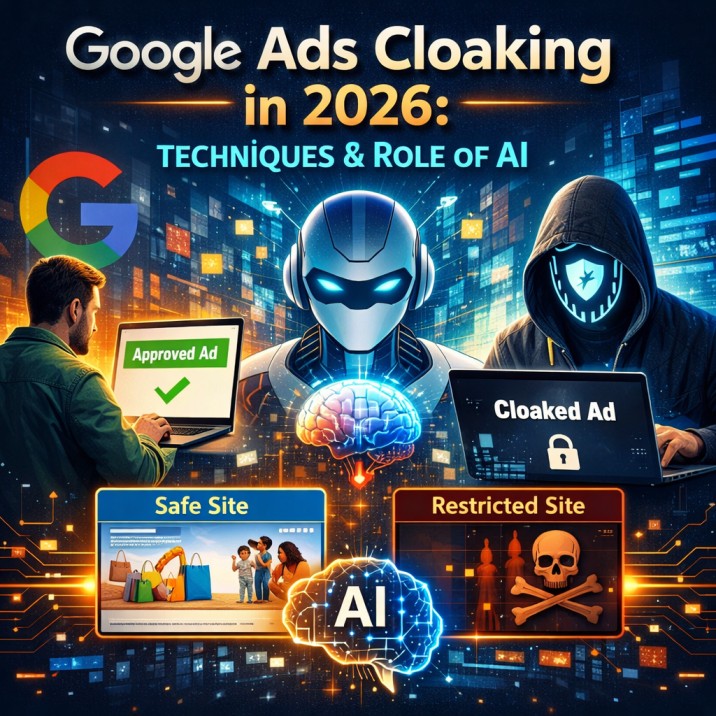

For Google and Facebook Ads, website cloaking is used the right way to control traffic and ensure safety, not to trick anyone. In Google website cloaking, advanced traffic filtering separates real users from bots so that policy-compliant pages always show during ad reviews.
Proper website cloaking uses checks based on IP, device, location, and user behavior. This improves traffic quality, lowers the chance of ad disapprovals, and keeps campaigns stable for longer on platforms like Google and Facebook.
What Is Website Cloaking?

Website cloaking is a technique in which different pages are shown based on the type of visitor, and real users are identified and shown the actual content that is intended for them.
Real Examples:
- Affiliate Marketing: A site promotes a product, but Google bots see a policy-compliant page, while real visitors are redirected to the affiliate offer page.
- Age-Restricted Content: Alcohol or gambling websites show age-check pages to users but a neutral page to bots to avoid disapproval.
How to Set Up Website Cloaking: Key Components You Need
1. Traffic Filtering
The first step is making sure only real users reach your main pages. Advanced traffic filtering separates genuine visitors from bots, automated crawlers, or suspicious traffic. This helps reduce ad disapprovals and protects your account from being suspended.
2. Policy-Aligned Pages
Your landing pages should always follow the rules of the ad platforms. Cloaking isn’t about tricking anyone it’s about showing the right content to the right audience safely. Keep your pages clean, compliant, and ready for review by moderators.
3. IP, Device, and Location Checks
A strong cloaking setup keeps track of visitor IP addresses, device types, and their location. This ensures real users see the correct content while bots or restricted regions are filtered out. It also improves campaign targeting and performance.
4. Behavior-Based Rules
Smart cloaking looks at how users interact with your site. Pages can be shown or hidden based on clicks, browsing patterns, or where the visitor came from. This makes your setup adaptive and more efficient for real traffic.
5. Reliable Cloaking Tools
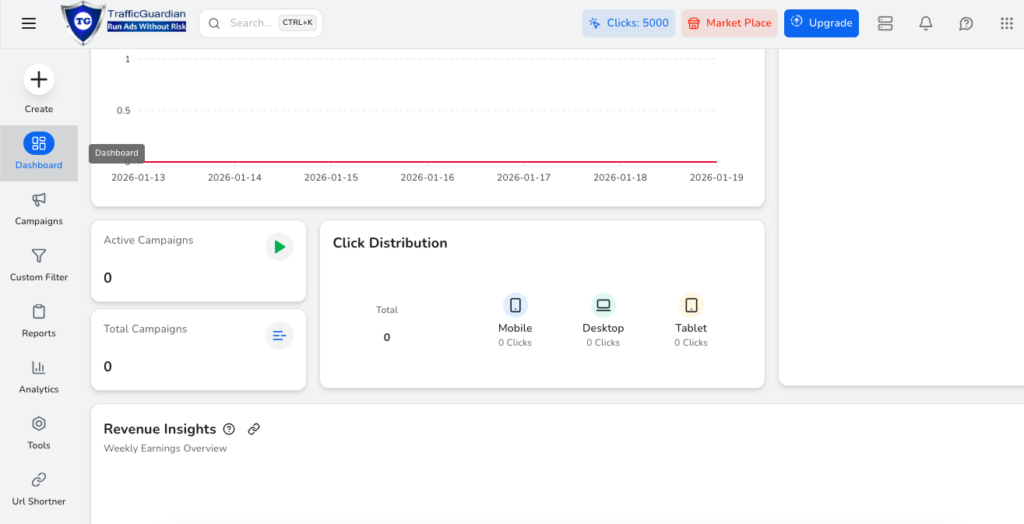
Using the right tools makes everything easier. Platforms like TrafficGuardian or Trustcloaker handle IP filtering, traffic segmentation, and safe page management so you don’t have to do it manually.
When all these components work together, you can run campaigns safely and stably. Proper website cloaking focuses on controlling traffic, staying compliant, and protecting your ads not tricking users or platforms. Done right, it keeps your campaigns live longer and boosts performance.